

Introduction
The long days of summer continue, and the warmth becomes more noticeable with each passing week. Xiao Shu (Lesser Heat) marks the beginning of nature’s transition into the hottest part of the year. Although the peak heat has not yet arrived, the body is already adapting to increasing temperatures, humidity, and longer periods of sunlight.
Traditional East Asian medicine encourages us to work with the season rather than against it. During Xiao Shu, the focus shifts toward supporting the body’s natural cooling and detoxification while maintaining energy and vitality for the weeks ahead.
Understanding Xiao Shu
Xiao Shu generally begins between July 6 and July 8 each year and lasts about two weeks.
As the earth continues to warm, plants grow rapidly, warm breezes replace cool ones, and summer reaches a stage of vigorous growth. Although the Summer Solstice has already passed, this is often when we truly begin to feel the intensity of summer.
Rather than viewing the heat as something to fight, traditional wisdom teaches that this is a season to adapt wisely.
Supporting the Body’s Natural Detoxification
One of the central teachings of Xiao Shu is that summer naturally opens the body’s pathways of elimination.
Traditional East Asian medicine describes three primary detoxification channels:
- Sweating
- Urination
- Bowel movements
When these systems function smoothly, the body is better able to adapt to seasonal heat. Xiao Shu encourages supporting these natural processes through hydration, nourishing foods, regular movement, and adequate rest—not through extreme detox programs.
How Summer Heat May Affect the Body
As temperatures rise, you may notice:
- Feeling more easily overheated
- Increased thirst
- Fatigue or reduced energy
- Heaviness during humid weather
- Reduced appetite
- Warm or flushed skin after spending time outdoors
These are common seasonal responses and often improve with simple lifestyle adjustments.
Seasonal Wellness Tips
Stay Well Hydrated
Drink water regularly throughout the day, especially after sweating or spending time outdoors.
Respect the Midday Sun
Morning and late afternoon are generally more comfortable times for outdoor activities. During the hottest hours, protect yourself with shade, appropriate clothing, a hat, sunglasses, and sunscreen when needed.
Support Your Body’s Natural Cooling
Allow yourself time to rest after prolonged heat exposure, and avoid pushing through excessive fatigue simply because the days are long.
Keep Digestion Comfortable
Summer heat may naturally reduce appetite. Light, freshly prepared meals are often easier to enjoy during this time of year.
Seasonal Foods & Flavors
During Xiao Shu, the reference recommends reducing bitter foods while incorporating moderate sour and gently pungent flavors to support the Heart and Lungs and complement the body’s natural detoxification.
Cooling herbs traditionally recommended during this season include:
- Mint
- Honeysuckle
- Chrysanthemum
- Thyme
- Mulberry leaves
- Celery
- Purslane
Fresh fruits and vegetables remain excellent choices during warm weather, especially when meals are simple and easy to digest.
Seasonal Recipe Spotlight
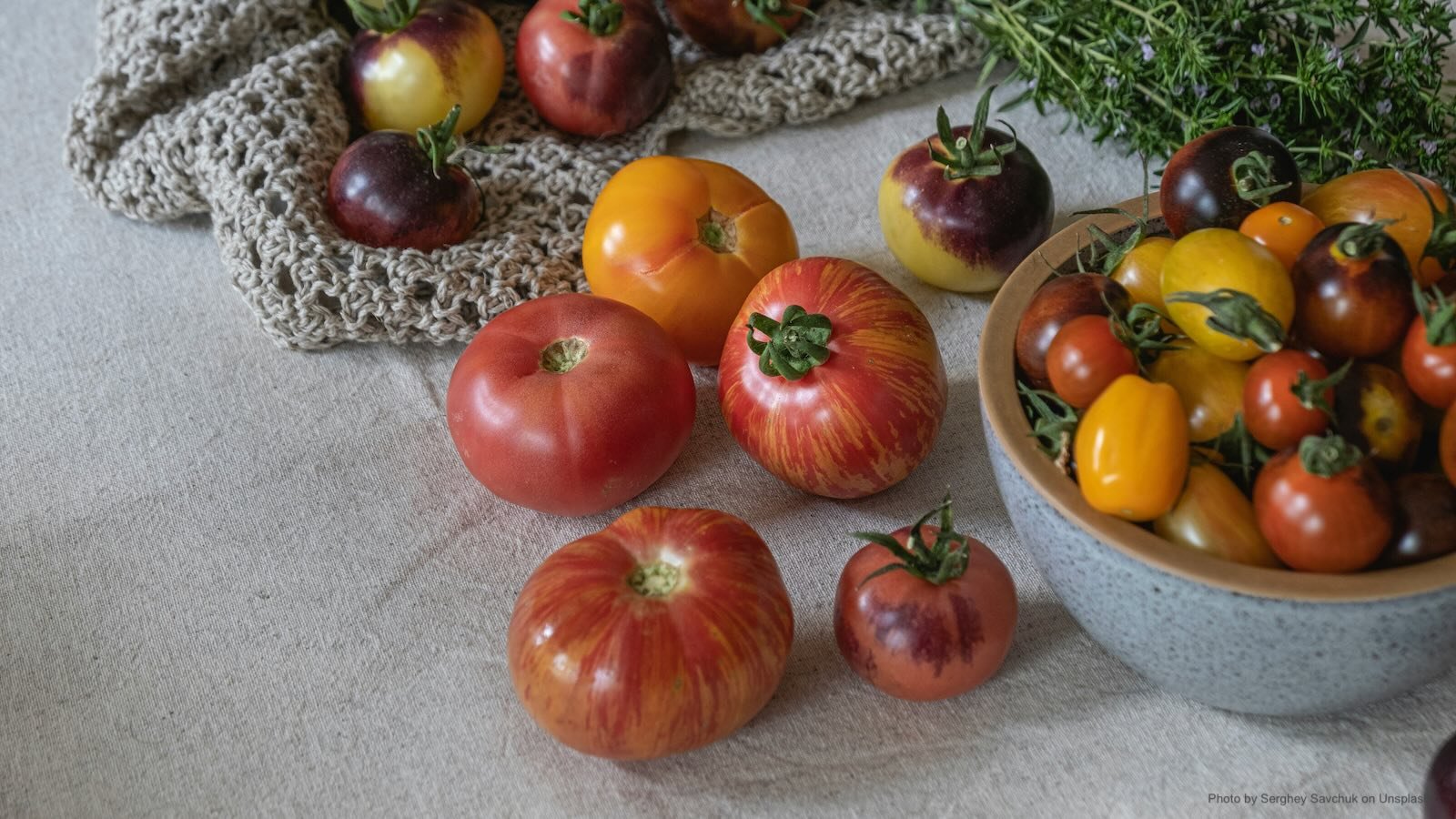
Tomato & Carrot Juice
One simple recommendation from the Xiao Shu reference is fresh tomato and carrot juice.
Equal parts tomato and carrot may be juiced and served cold before spending time outdoors or after returning from the sun as part of a refreshing summer routine.
Remember: This beverage supports seasonal wellness but does not replace sensible sun protection. Continue to limit prolonged midday sun exposure and use appropriate sun protection whenever needed.
Roasted Beet Root with Fresh Garlic
Another seasonal favorite combines roasted beetroot with fresh garlic.
The Xiao Shu reference recommends this simple dish as part of a diet that supports the body’s natural detoxification. Goat cheese or a drizzle of balsamic vinegar can be added for flavor.
Seasonal Therapy Spotlight
Xiao Shu also marks the beginning of preparations for San Fu, the hottest period of summer.
In traditional East Asian medicine, San Fu is considered an important opportunity to strengthen the body’s Yang Qi and help prepare for conditions that commonly worsen during winter. Depending on the individual, practitioners may use acupuncture, herbal therapies, cupping, or Gua Sha as part of a personalized treatment plan.
Because San Fu therapy is not appropriate for everyone, it should always be discussed with a qualified practitioner before beginning treatment.
San Fu therapy can be applied at any time, but the optimal treatment period in 2026 is from July 15 to August 14.
Living in Harmony with Xiao Shu
Xiao Shu reminds us that good health isn’t achieved by pushing harder—it often comes from working with nature’s rhythm.
By staying hydrated, eating simply, supporting the body’s natural detoxification, and respecting the summer sun, we can move through this season with greater comfort and resilience.
Sometimes the smallest seasonal adjustments become the habits that support our well-being throughout the year.
Continue Your Wellness Journey
The 24 Solar Keys offer a practical way to understand how seasonal changes influence our health.
If you’re interested in learning how acupuncture and seasonal wellness can support your individual needs, I’d be happy to help you explore what this season may mean for you.
Continue following the series as we move from Xiao Shu (Lesser Heat) into Da Shu (Greater Heat), the hottest solar term of the year.