

“As Autumn Begins to Cool”
As autumn continues, the change of season becomes easier to notice.
Mornings and evenings begin to feel cooler. The difference between daytime and nighttime temperatures grows, and moisture in the night air begins to settle as dew.
This is White Dew, the fifteenth of the Twenty-Four Solar Keys, usually arriving around September 7–9.
White Dew marks another gradual step into autumn. Warm days may still remind us of summer, but cooler nights and drier conditions invite us to begin adjusting how we eat, dress, rest, and care for ourselves.
What Is White Dew?
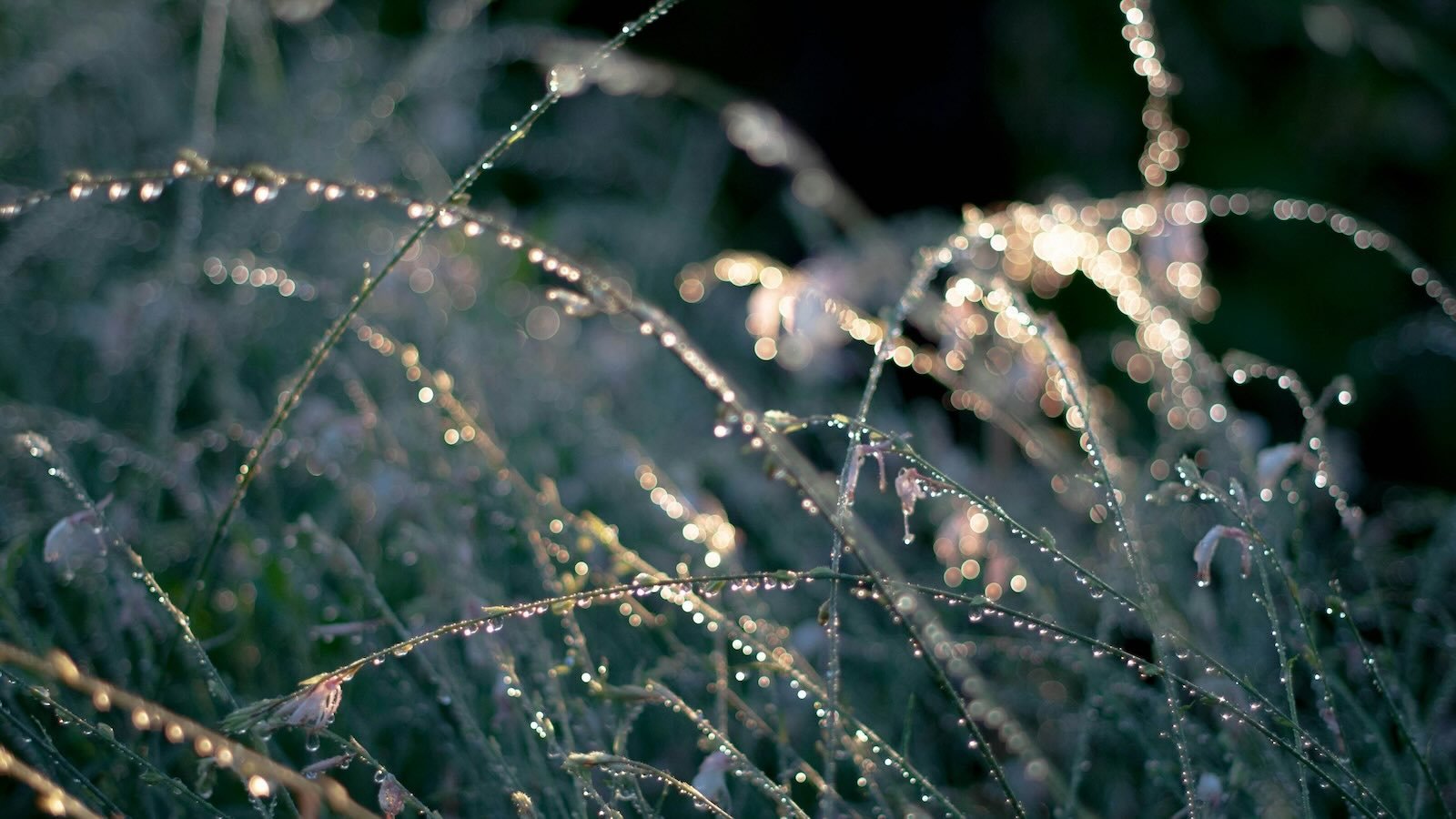
The name White Dew, or Bai Lu, comes from the tiny droplets of dew that become increasingly visible as nighttime temperatures cool. Sunlight catches the accumulated droplets, giving them a pale, almost white appearance.
In seasonal medicine, this period brings greater attention to the Lung and the effects of autumn dryness. The seasonal focus is to nourish the Lung, preserve moisture, and protect the body as temperatures begin to fall.
What Happens During This Time?
White Dew can feel like living between two temperatures.
The afternoon may still be warm enough for summer clothing, while early mornings and evenings are noticeably cooler. At the same time, the air becomes drier during the day and nighttime dew becomes heavier.
Traditional seasonal wellness pays particular attention to the respiratory system and skin during this transition. Dryness may be noticed in the nose, mouth, throat, or skin, while coughs and seasonal allergies may also become more noticeable for some people.
The goal isn’t to assume that everyone will experience these changes. Instead, White Dew offers a seasonal context for noticing how your own body is responding as autumn develops.
How to Support Yourself During White Dew
One of the simplest adjustments is to pay attention to the changing temperature throughout the day.
As mornings and evenings become cooler, consider keeping the extremities warm and adding light layers when needed. The chest and neck also deserve a little more protection as temperatures fall.
At the same time, traditional seasonal practice does not suggest immediately bundling up at the first hint of cool weather. The idea sometimes called “autumn freezing” encourages gradual adaptation to cooling temperatures rather than putting on very heavy clothing too early.
This does not mean allowing yourself to become uncomfortably cold. When the weather turns genuinely cold, add appropriate layers. The head, feet, and abdomen are areas to pay particular attention to as the season cools.
Regular movement and adequate sleep remain important as well. White Dew is a good time to maintain activity while giving yourself enough rest as daylight and seasonal rhythms continue to change.
Seasonal Foods
Bring a Little More Moisture to the Table
Food offers a practical way to adjust as autumn becomes drier.
Pears, honey, sesame, and white fungus are traditionally valued during this period for their nourishing and moistening qualities. Pears receive particular attention during White Dew and make an easy seasonal addition to everyday meals.
Other seasonal choices include apples, pomegranates, citrus, grapes, jujube, yam, pumpkin, cabbage, radish, lotus seeds, grains, beans, nuts, and seeds. Milk, soy milk, almond milk, and fruit or vegetable juices can also bring variety to the autumn table.
Rather than thinking of this as a strict seasonal diet, consider what could fit naturally into meals you already enjoy.
A pear with breakfast, some nuts or seeds during the day, seasonal vegetables with dinner, or a warm dessert in the evening can be simple ways to begin eating with autumn in mind.
A White Dew Treat: Pears
Pears are especially fitting during White Dew as the season becomes cooler and drier. Enjoy them fresh, or turn them into a simple autumn dessert.
Wine-Poached Pears with Sour Cream gently combines pears with honey, lemon, vanilla, and cinnamon, then finishes them with a little of the reduced poaching liquid and sour cream.
Another seasonal option is Yin Er, or white jelly mushroom, slowly simmered until tender and combined with black sugar, berries, and jujube. Traditionally, it is enjoyed as a nourishing and moistening food during this drier part of autumn.
You don’t need to prepare something elaborate. Even enjoying a fresh pear is a simple way to bring the idea of White Dew into everyday life.
Seasonal Self-Awareness
White Dew is a good moment to notice the small changes that can easily pass unnoticed.
How do the mornings feel compared with a few weeks ago? Are you reaching for another layer in the evening? Does the air feel drier? Have you noticed changes in your skin, nose, throat, thirst, sleep, or comfort with the weather?
There are no particular changes you are expected to experience.
Seasonal awareness begins simply by noticing what is happening around you and how you have been feeling recently. From there, small adjustments can become part of moving with the season rather than waiting for autumn to arrive all at once.
Continue Your Seasonal Wellness Journey
From the lingering warmth of End of Heat to the cooler mornings of White Dew, autumn continues to unfold gradually.
Visit our Seasonal Wellness Journey page to explore the current Solar Key, discover practical seasonal guidance, and participate in the Seasonal Wellness Check-In whenever you’re ready. Your anonymous participation also helps us better understand how people experience seasonal changes over time.
Final Thought
White Dew reminds us that autumn deepens gradually. Warmth may still linger during the day while mornings and evenings become cooler, and the air begins to feel drier. By noticing these subtle changes, protecting ourselves as temperatures fall, and bringing a little more moisture into our daily routine, we can continue adjusting gently as autumn unfolds.