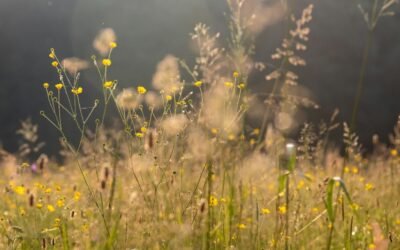


Finding Balance as Autumn Deepens
The Autumn Equinox, or Qiu Fen, usually arrives around September 22–24. It marks an important turning point in autumn, when day and night are nearly equal in length and Yin and Yang are relatively balanced. After the equinox, the days gradually become shorter and the nights longer.
By this point, autumn has reached its midpoint. The weather continues to change, daylight gradually decreases, and nature begins moving further into the quieter half of the year.
Traditionally, the Autumn Equinox was also an important time of harvest. After the renewal of spring and the growth of summer, autumn was the season for gathering what had grown and preparing for the months ahead. Seasonal wellness follows a similar rhythm: this is a time to support balance, restore what has been used, and gradually prepare the body for autumn and winter.
Finding Balance as the Season Changes
Balance and stability are central themes of the Autumn Equinox.
As daylight becomes shorter and temperatures begin to change, our daily habits may need small adjustments too. Regular sleep, balanced meals, adequate rest, and a calm daily rhythm can help us move with the changing season.
Balance does not mean that every day needs to look the same. Work, family, exercise, and other responsibilities continue throughout the year. Seasonal wellness simply encourages us to notice the changes around us and make reasonable adjustments when needed.
You may find yourself reaching for an extra layer in the morning or evening, preferring warmer meals, changing when you exercise, or needing a little more rest as daylight becomes shorter.
These small changes are part of gradually adapting as autumn continues.
Autumn Dryness Depends on the Environment
As autumn progresses, dryness often becomes more noticeable. In traditional Chinese medicine, autumn is closely associated with the Lung, and seasonal dryness may be noticed in areas such as the nose, mouth, throat, and skin.
But autumn does not feel the same everywhere—or every year.
In a dry environment, greater attention may be given to hydration and foods that support moisture. During periods of higher humidity, adding moisture may be less important. The conditions we are actually experiencing are an important part of deciding how much seasonal adjustment is needed.
Around the Autumn Equinox, another transition begins. Earlier in autumn, seasonal care pays more attention to warmth together with dryness. As the weather gradually cools after the equinox, attention shifts toward protecting against both coolness and dryness.
This change does not happen overnight. Warm days may still appear, cooler mornings and evenings may come and go, and humidity can vary. Paying attention to the weather we are actually experiencing can help guide simple seasonal choices.
Seasonal Foods: Pear and White Jelly Mushroom
Two foods traditionally emphasized around the Autumn Equinox are pear and white jelly mushroom, also known as Yin Er, tremella, snow fungus, or silver ear mushroom.
Pear
Pear is a familiar autumn fruit traditionally used in seasonal food therapy to support moisture during dry weather.
Because pears are considered cooling, they may also be enjoyed baked, roasted, or poached as the weather becomes cooler.
A warm poached or baked pear can be a simple way to enjoy this seasonal food without making a major change to your usual diet.
White Jelly Mushroom
White jelly mushroom has a soft, gelatinous texture after cooking and has a long history as a nourishing food in Chinese cuisine and traditional food therapy.
It is traditionally associated with nourishing Yin and moisture, making it especially suited to times when autumn feels dry. It can be soaked and slowly simmered until soft, then prepared as a simple soup or dessert.
As with other seasonal foods, the goal is not to eat something simply because the calendar says it is autumn. Consider the weather, your usual diet, and how you are feeling.
Adjusting Your Daily Rhythm
Sleep and rest become increasingly important as autumn progresses.
Keeping a reasonably regular sleep schedule and allowing enough time for recovery can help maintain a steadier daily rhythm. Gentle stretching and quiet practices such as meditation are also traditionally encouraged during this period.
There is no need to completely change your routine because a new Solar Key has arrived. Seasonal change is gradual.
Instead, notice what is happening around you—the temperature, daylight, humidity or dryness—and how your usual routine feels within those changing conditions.
Small adjustments may be enough.
A Moment for Seasonal Reflection
As we move through the Autumn Equinox, take a moment to notice:
- Has the changing daylight affected your sleep or energy?
- Are cooler mornings or evenings changing how you dress or go about your day?
- Does the air feel dry, comfortable, or more humid than you might expect for this time of year?
- Do your usual foods and drinks still feel appropriate for the weather?
- Are you getting enough rest and recovery within your daily routine?
There are no right or wrong answers. Seasonal awareness begins simply by noticing how you feel and what is changing around you.
Continue Your Seasonal Wellness Journey
Learn more about the Seasonal Wellness Journey and take part in the Seasonal Check-In whenever you’re ready.
Final Thought
“The Autumn Equinox brings a moment of balance within a season that continues to change. As daylight grows shorter and autumn deepens, noticing the weather, our daily rhythm, and what our bodies need can help us make small adjustments and move gradually with the changing season.”