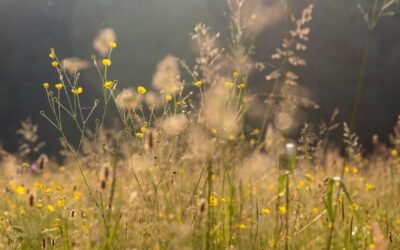


As Autumn Comes to an End
Frost Descent, or Shuang Jiang, marks the final stage of autumn, when cooler conditions become more established and nature gradually prepares for winter. In seasonal wellness, it is a time to continue nourishing the body, protect warmth, and begin making more room for rest.
Arriving around October 23–24, Frost Descent is the eighteenth of the Twenty-Four Solar Keys. Following Cold Dew, it reflects the transition from late autumn toward the quieter, more conserving rhythm of winter.
From Protecting Warmth to Preparing for Winter
During Cold Dew, seasonal wellness emphasizes continuing to nourish moisture while becoming more attentive to cooler temperatures. By Frost Descent, the focus begins to shift toward preparing the body for the coming winter.
In Traditional Chinese Medicine (TCM), this period emphasizes nourishing Liver Blood and Yin while supporting the Spleen and Stomach. These traditional concepts relate to nourishment, moisture, and the body’s ability to maintain balance.
As nature gradually becomes less active, seasonal guidance encourages us to moderate excessive activity and allow more time for recovery. Frost Descent is a time to strengthen everyday habits that support nourishment, warmth, and rest before winter begins.
Nourishing Through Late Autumn
Frost Descent continues autumn’s emphasis on nourishment, with greater attention to foods that can support the transition toward winter.
Persimmons, chestnuts, radishes, pears, squash, yams, and leafy greens are among the foods traditionally recommended at this time. Apples, pomegranates, grapes, and other pleasantly sour fruits also remain part of autumn dietary guidance.
As the weather becomes colder, cooked vegetables and nourishing meals can be comforting choices. Traditional guidance also recommends moderating strongly spicy foods, such as ginger, garlic, and hot peppers, which are considered warming in TCM. Excessive consumption may contribute to what TCM describes as internal heat, a pattern that can include sensations of excessive warmth, thirst, or dryness.
Rather than eating heavier or hotter foods simply because winter is approaching, Frost Descent encourages a balance between warmth, nourishment, and moisture.
Protecting the Body as Temperatures Drop
As colder weather approaches, traditional Frost Descent guidance places particular importance on keeping the body comfortably warm.
The waist, abdomen, knees, and feet deserve special attention. Wearing additional layers, covered shoes, and socks can help protect these areas, especially during colder mornings and evenings. Keeping the lower back and knees covered may be particularly helpful for people who experience stiffness or discomfort in cold weather.
Gloves, scarves, and hats can also provide protection when temperatures drop or winds become stronger, particularly during outdoor activities.
Respiratory health is another seasonal consideration. Avoiding crowded, poorly ventilated indoor spaces when possible, practicing good hand hygiene, and taking appropriate precautions around people who are sick can help reduce exposure to respiratory infections.
The goal is to remain comfortable and protected while continuing to enjoy daily activities.
Making More Room for Rest
Frost Descent is traditionally associated with nature’s gradual movement toward stillness.
After the growth of spring, the activity of summer, and the harvest of autumn, the natural world begins preparing for a period of rest.
Our daily lives may benefit from a similar adjustment.
You might notice that shorter days encourage quieter evenings or that your body feels better with a little more recovery time after physical activity.
Maintaining regular meals, sufficient sleep, and a comfortable balance between activity and rest can help support this transition.
Seasonal wellness is not about becoming inactive. It is about recognizing when to conserve energy and allowing our routines to change as the year progresses.
Looking Ahead
Frost Descent leads us toward Li Dong, or Beginning of Winter, when traditional seasonal wellness places greater emphasis on conserving energy, nourishing the Kidney system, and supporting winter’s period of rest and storage.
As autumn comes to an end, nourishing the body, protecting warmth, and allowing adequate rest help establish a foundation for the colder season ahead.
Final Thought
“Frost Descent reminds us that the end of autumn is also a time of preparation. As nature gradually settles, we can continue nourishing ourselves, protect warmth when needed, and make more room for rest. Small, thoughtful adjustments can help us move gently toward winter.“